Istanbul Property Prices: Why They Double from One Neighbourhood to the Next

In short
Istanbul prices vary widely because the city is a chain of cities within a city. The most expensive are the central and Bosphorus-front neighbourhoods on both sides; the cheapest are the western and northern outskirts, where new projects are concentrated. The main price drivers: proximity to centres and the sea, access to the metro or Metrobüs, building age and quality in a high earthquake-risk city, and complex amenities. Always compare within the same neighbourhood, and see live figures on the Istanbul page.
Written by Abdulhadi Uçkun, Founder & owner
Last reviewed October 7, 2026
In Istanbul you can find two flats of the same size, one at a given price and the other at three times as much, an hour's drive apart. Understanding these differences properly is what lets you pay the right price for the right place.
Istanbul: cities within a city
Istanbul is home to more than 15 million people in 39 districts across two continents. Each district has its own economy, character and prices. The right question is not “What is the price per square metre in Istanbul?” but “What is the price per square metre in this neighbourhood, for this type of property?”.
The factors behind the differences
1. Proximity to centres and the sea
Central and Bosphorus-front neighbourhoods on both the European and Asian sides are the most expensive, followed by neighbourhoods close to business districts. The further out you go, the lower the price.
2. Transport
Being close to the metro, the Metrobüs or Marmaray clearly raises price and demand, because traffic makes time a currency in Istanbul. See the Istanbul transport guide.
3. Building age and quality
Istanbul is one of the highest earthquake-risk areas in Turkey. Modern buildings permitted under the 2018 code are valued more highly, while older ones need inspection. See the earthquake building safety guide.
4. Type of project
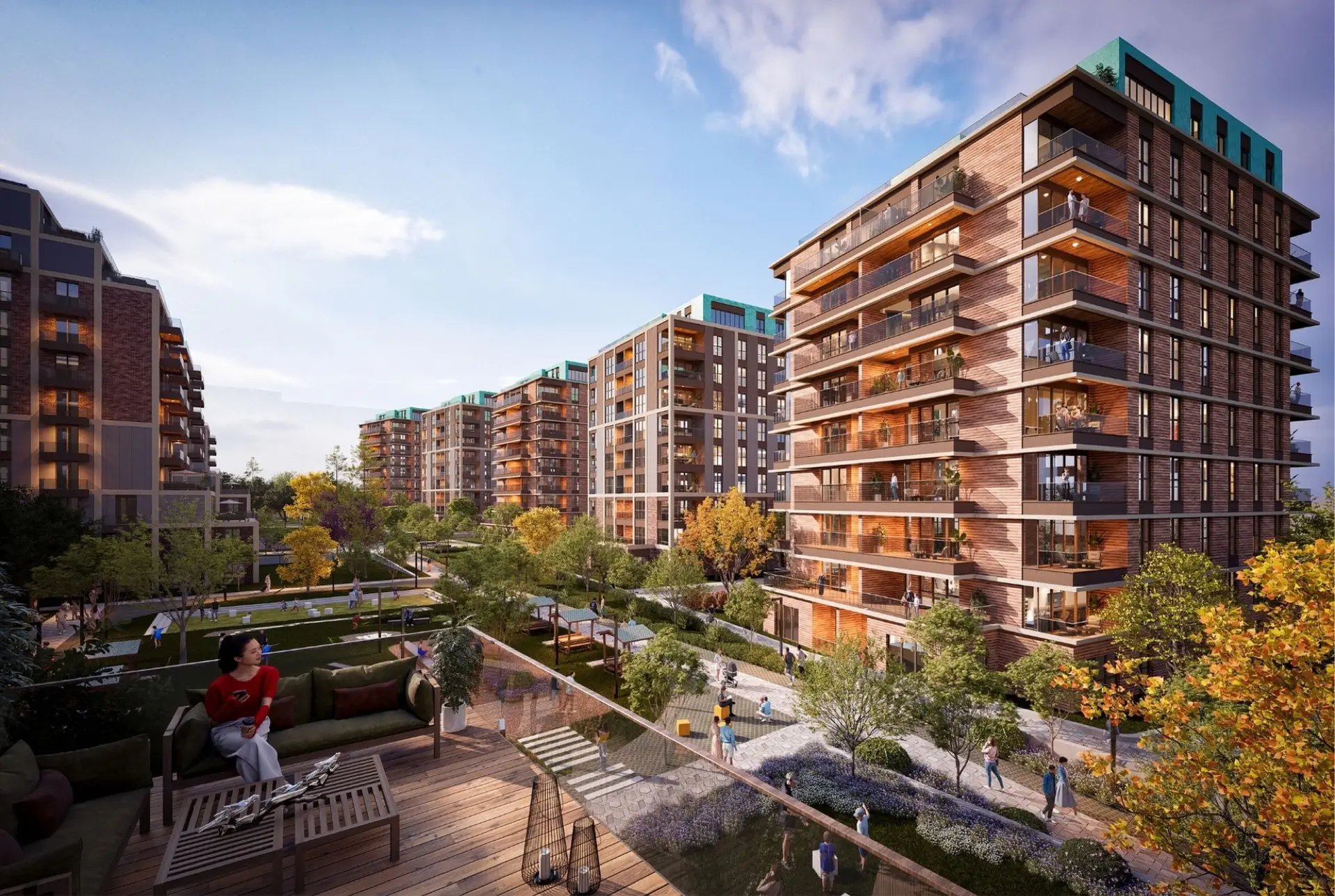
Modern complexes with full amenities on the outskirts compete with older flats in central neighbourhoods. You choose between a central location and modern amenities.
5. Urban transformation
Projects that demolish and rebuild old buildings are changing the face of entire neighbourhoods, and affect the prices of buildings earmarked for them. See the urban transformation guide.
A look at the areas we work in
- Başakşehir: modern family complexes and the City Hospital. See the Başakşehir guide.
- Beylikdüzü and Büyükçekmece: western coastline and the Metrobüs. See the Beylikdüzü guide.
- Esenyurt: the lowest prices and a large supply. See the Esenyurt guide.
- Arnavutköy: land and projects near the new airport. See the Arnavutköy guide.
A note on residence permits
Some Istanbul neighbourhoods are closed to registering foreigners' addresses for residence purposes. If residence is your goal, check the neighbourhood before reserving. See the guide to closed neighbourhoods.
How to compare smartly
- Choose the side and district based on work, schools and transport.
- Compare within the neighbourhood: size, floor, age and amenities.
- Factor in monthly fees in complexes.
- Rely on the valuation report before completing.
Summary
In Istanbul, the buyer pays for location, time and safety. A high price in the centre may be justified, and a low price on the outskirts may be an opportunity or a trap depending on transport and the developer. Compare within the neighbourhood, not across the city.
You'll find up-to-date median prices on the Istanbul page, and new projects on the projects page. Contact us to compare specific properties.
Sources
Related guides

Uzungöl: the complete visitor's guide from Trabzon
Uzungöl is a mountain lake village in Trabzon's Çaykara district, about 99 km from the city centre (1.5 to 2 hours by car) and roughly 1,100 m above sea level. The best months are May to September, with mild days and cool nights; in winter it is snow-covered and the lake can freeze.
Last reviewed Oct 20, 2026

Trabzon weather month by month: rain, summer and winter as residents experience them
Trabzon is mild all year round: a warm, humid summer with highs usually between 25 and 28°C in July and August, and a mild winter on the coast at around 10°C by day, with rain spread across the year and heaviest in autumn and early winter. Snow falls on only a few days on the coast but is plentiful in the highlands. The climate means year-round greenery, and it also means that insulation, ventilation and heating are essential when choosing a property.
Last reviewed Oct 7, 2026

Istanbul’s Asian side: a neighbourhood guide for Arab buyers
Istanbul’s Asian side is generally calmer than the European side. It brings together historic districts such as Üsküdar and Kadıköy, a modern financial centre in Ataşehir, a long residential coastline from Maltepe to Kartal, Pendik and Tuzla, and new inland districts such as Sancaktepe. It is linked to the European side by the Marmaray line under the Bosphorus, ferries and bridges, and it is home to Sabiha Gökçen Airport. Choose your district by how close it is to a rail or metro line.
Last reviewed Oct 7, 2026