Property valuation reports in Turkey: when you need one, who issues it and what to read in it

In short
A valuation report (Değerleme Raporu or Ekspertiz) is issued by a valuation company licensed by Turkey’s Capital Markets Board (SPK). It is mandatory when a property is sold to a foreigner and is uploaded to the tapu (land registry) system before ownership is transferred. It is the document that proves the property’s value in a residence permit file (USD 200,000) and a citizenship file (USD 400,000). Also use it to check whether the asking price is close to market value.
Written by Abdulhadi Uçkun, Founder & owner
Last reviewed October 7, 2026
Many buyers hear about the “valuation report” for the first time a few days before their tapu (title deed) appointment, and assume it is just more paperwork. In fact it is one of the most useful documents you will get: it gives you the opinion of an independent, licensed party on what the property is worth, and it is the basis on which residence and citizenship files are built.
What is a valuation report?
A report prepared by a valuation expert working for a company licensed by Turkey’s Capital Markets Board (SPK). The expert visits the property, reviews the tapu record, the zoning status and the building documents, then compares it with similar properties sold or listed in the area and arrives at a market value in Turkish lira, sometimes with the equivalent in foreign currencies.
When is it mandatory?
- When selling to a foreigner: a valuation report is required in property sales to foreigners and is uploaded to the tapu system before ownership is transferred.
- In a citizenship file: the report is what proves the property is worth at least USD 400,000. Details in the guide to citizenship by real estate investment.
- In a residence permit file: for properties bought since 16 October 2023, the value must be proven to be at least USD 200,000. See the guide to residence through property.
- When borrowing: banks require their own valuation before any financing.
What does the report include?
- Property details: location, block and parcel, area and type of title deed.
- Legal status: restrictions, mortgages, the iskan (occupancy certificate) and the building permit.
- Technical description: age and type of building, condition and finish of the apartment.
- Comparables: similar properties in the area and their prices.
- Final value: in lira, sometimes also in dollars, with the valuation date.
How can you use it to your advantage?
Testing the price
If the asking price is well above the value in the report, ask why. There may be a feature the expert did not take into account, such as an exceptional view, or the price may simply be inflated.
Spotting what you missed
The expert sometimes notes important points: a deviation from the approved plan, a missing iskan, or a restriction in the register. Read these notes carefully even if the value is satisfactory.
Protecting your residence or citizenship file
If your goal is residence or citizenship, do not rely on the price written in the contract. What counts is the value in the report. That is why, in these cases specifically, we order the valuation before the deal is completed, not after.
Who chooses the valuation company?
The buyer or their representative chooses a licensed company from the Board’s list, and the report is uploaded electronically to the tapu system. Make sure the company really is licensed and that the report carries the expert’s name and licence number.
Summary
A valuation report is not an extra burden but an independent check on the value of what you are buying. Order it early if you are buying for residence or citizenship, read its notes and not just the final figure, and use it in negotiation if there is a large gap.
The report comes right before tapu day itself. We arrange it with our clients as part of the buying steps, and we answer your questions here.
Sources
Related guides
View, orientation and sun: why a sea-view flat in Trabzon may get less sunlight
In Trabzon the sea lies to the north, so a flat that looks straight onto it faces north and gets less sun, and north-facing walls are more prone to damp. The best options are often a corner flat or one with two façades: a sea view to the north and sun from the south or west. A view raises value and demand, but check that it will not be blocked by new construction, and check the light and warmth in winter.
Last reviewed Oct 7, 2026

Video viewings: how to see a flat as if you were there, from your own country
A live video viewing saves many trips if you lead it yourself: ask for one continuous, uncut tour; start from the street and the entrance, then every room, window and balcony; turn on the taps and open the cupboards; ask to see the view in every direction, the north-facing walls and the corners for damp, and the way to the nearest amenities. Record the tour and ask for the documents afterwards. For a property you will spend a large sum on, treat the video as a filter before a visit or a second tour at a different time.
Last reviewed Oct 7, 2026

Urban transformation in Istanbul: what it means for buyers and owners of older flats
Kentsel dönüşüm (urban transformation) in Turkey is governed by Law 6306 on rebuilding buildings at earthquake risk. A licensed body’s report classifies a building as risky, and this is recorded at the tapu (land registry). Since November 2023, rebuilding decisions need an absolute majority of the owners’ shares instead of two thirds, and a February 2026 regulation changed the procedures, such as selling objecting owners’ shares. Owners may get rent assistance under conditions. Buying in an old building means buying a share of the land and a future project: read the legal position carefully.
Last reviewed Oct 7, 2026
Related areas

Related listings
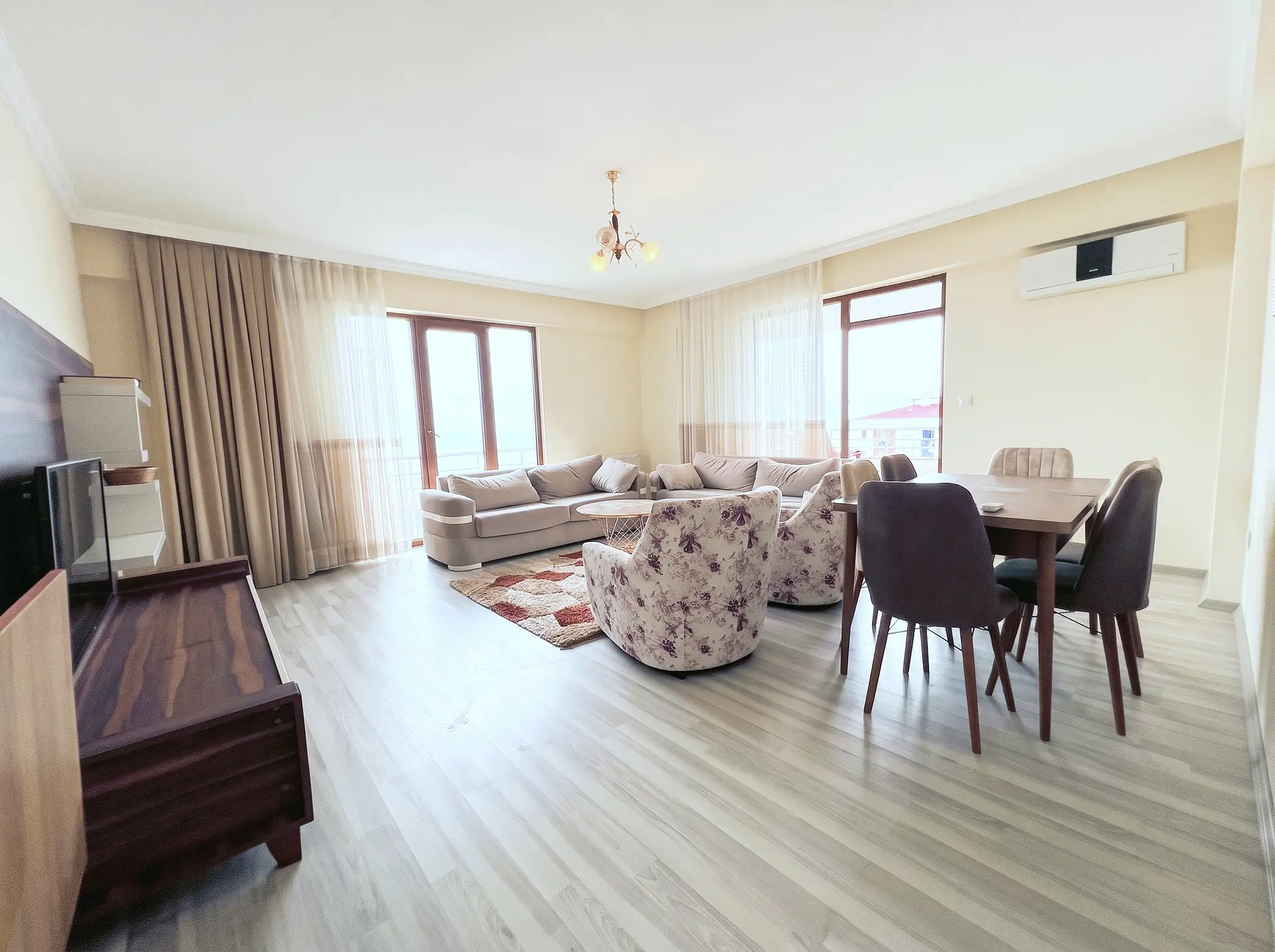 Fully furnishedBRJ-1119
$140,000
Furnished 4+1 family apartment with sea view near the airport, Pelitli
- 4+1
- 180 m²
- Pelitli, Trabzon
SeaForest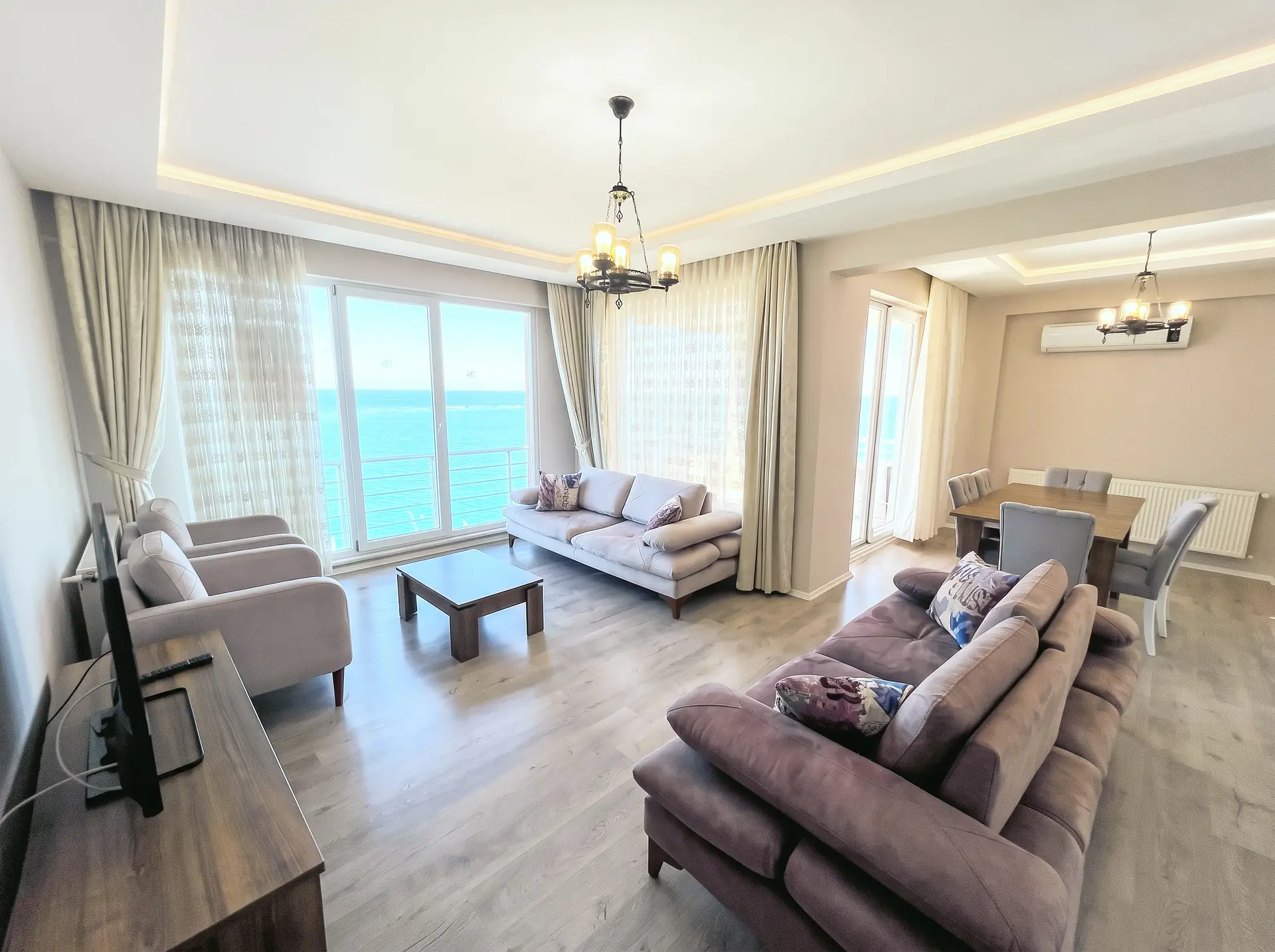 Fully furnishedBRJ-1118
$153,000
Furnished 3+1 apartment with direct sea view, Mersin, Akçaabat
- 3+1
- 150 m²
- Mersin, Trabzon
Sea Fully furnishedBRJ-1117
$125,000
Furnished 3+1 apartment with a very large balcony and sea view, Pelitli
- 3+1
- 176 m²
- Pelitli, Trabzon
SeaForest