Kat irtifakı vs kat mülkiyeti: what it means when your flat’s tapu is “under construction”

In short
Kat irtifakı is an official title deed for a unit in a building under construction or one that has not received its occupancy certificate (iskan). Kat mülkiyeti is the full title deed for the unit once the building is complete and the iskan has been issued. The first is converted into the second through a procedure at the land registry after the iskan is issued. Both are registered ownership in your name, but banks and buyers prefer kat mülkiyeti because it proves the building is legally complete.
Written by Abdulhadi Uçkun, Founder & owner
Last reviewed October 7, 2026
Clients sometimes ask us after receiving their deed: “The tapu says Kat İrtifakı. Does that mean the flat isn’t fully mine?” The answer: the flat is yours and registered in your name, but the building has not yet finished its legal journey. This guide explains the difference and why it matters to you.
The idea behind each, simply put
Kat irtifakı: a right in a project
Before the building is complete, the land is divided at the land registry into shares, and each future unit has a share of the land and a right to the unit that will be built. This is “kat irtifakı” (construction servitude), literally a floor right. The deed is official and registered, and it can be sold, inherited and mortgaged, but it implicitly says: the building has not yet been approved as complete.
Kat mülkiyeti: ownership of a completed unit
Once construction is finished and the municipality issues the iskan (occupancy certificate), the rights are converted into “kat mülkiyeti” (condominium ownership): full ownership of a specific unit in an approved building. This is the final deed any buyer expects.
The practical differences
- Resale: kat mülkiyeti is easier and quicker to sell. With kat irtifakı, buyers ask why there is no iskan.
- Bank financing: most banks prefer kat mülkiyeti as security for a loan.
- Utility accounts: the iskan, which comes before kat mülkiyeti, is what allows permanent water and electricity accounts.
- Legal certainty: kat mülkiyeti means the municipality has inspected the building and agreed that it complies.
When is kat irtifakı normal?
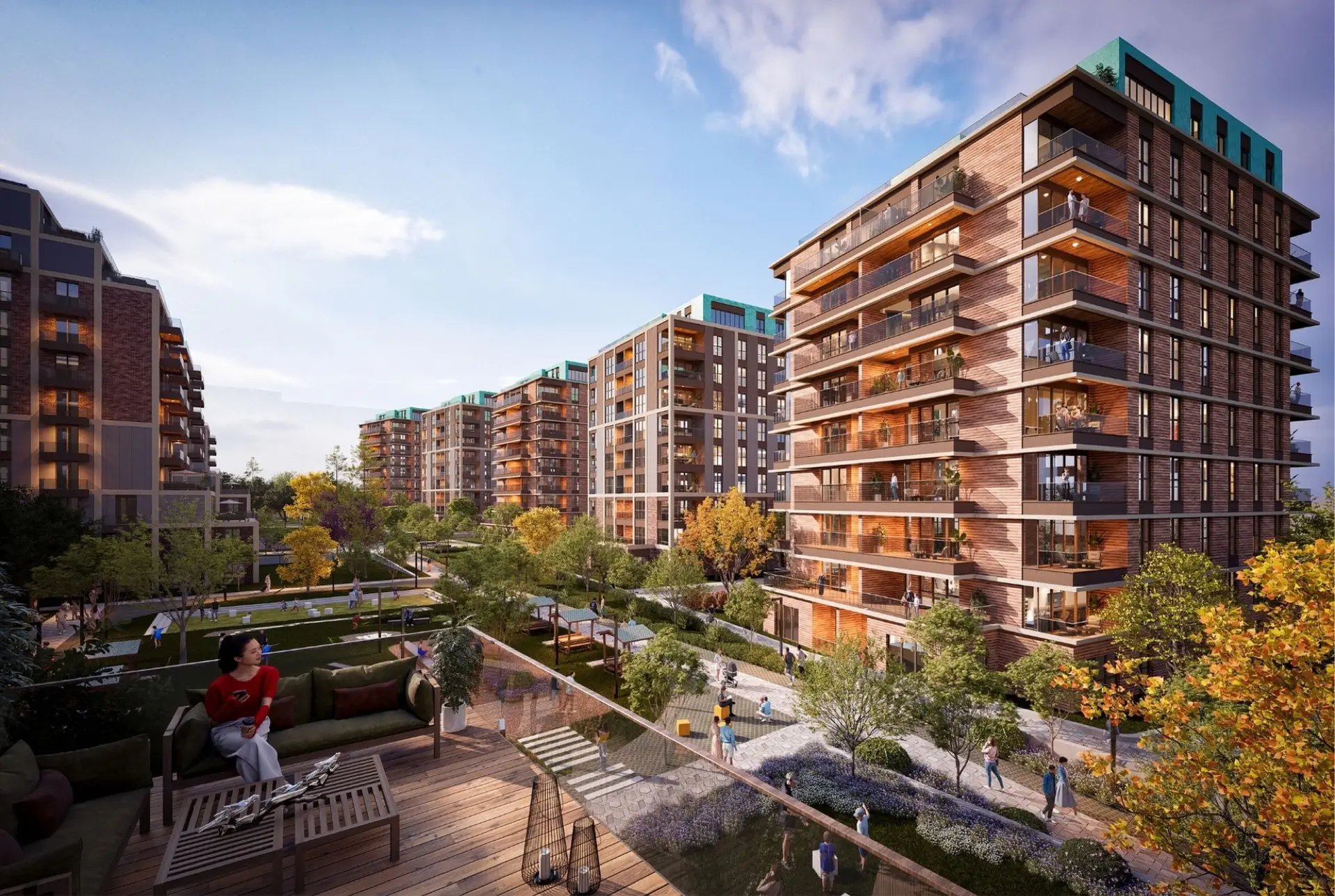
- In a project under construction: this is the normal situation, and in fact your best protection, because your unit is registered in your name before it is complete. We explain this in the off-plan buying guide.
- In a recently finished building: the iskan procedure can take months after handover.
When is it worth asking questions?
- A building lived in for years with a kat irtifakı deed: this may point to a violation that blocks the iskan, such as an extra floor or a change to the plans.
- No plan at all to convert the deed: if nobody knows when the iskan will be issued.
In these cases, ask for a written explanation and read the occupancy certificate guide.
How does the conversion work?
- Construction ends and the municipality issues the iskan.
- A conversion application is submitted to the land registry office, usually for the whole building.
- Each unit is registered as kat mülkiyeti, and this shows in your record on e-Devlet (the Turkish government online portal).
The fees are small, and the timing depends on how quickly the file is completed.
What should the contract say?
- The type of deed you will receive on purchase.
- If it is kat irtifakı: an expected date for the iskan and the conversion, and who pays the fees.
- What happens if the iskan is delayed for a reason attributable to the developer.
In short
Kat irtifakı is not a problem in itself; it is a stage. It is appropriate and reassuring in a project under construction, and worth investigating in an older building. The goal is always to reach kat mülkiyeti, so make sure it is written into your contract. For the other deed types, read the title deed types guide.
We state the deed type and iskan status for every property and project we list. Contact us with any question about a specific deed.
Sources
Related guides

View, orientation and sun: why a sea-view flat in Trabzon may get less sunlight
In Trabzon the sea lies to the north, so a flat that looks straight onto it faces north and gets less sun, and north-facing walls are more prone to damp. The best options are often a corner flat or one with two façades: a sea view to the north and sun from the south or west. A view raises value and demand, but check that it will not be blocked by new construction, and check the light and warmth in winter.
Last reviewed Oct 7, 2026

Video viewings: how to see a flat as if you were there, from your own country
A live video viewing saves many trips if you lead it yourself: ask for one continuous, uncut tour; start from the street and the entrance, then every room, window and balcony; turn on the taps and open the cupboards; ask to see the view in every direction, the north-facing walls and the corners for damp, and the way to the nearest amenities. Record the tour and ask for the documents afterwards. For a property you will spend a large sum on, treat the video as a filter before a visit or a second tour at a different time.
Last reviewed Oct 7, 2026

Urban transformation in Istanbul: what it means for buyers and owners of older flats
Kentsel dönüşüm (urban transformation) in Turkey is governed by Law 6306 on rebuilding buildings at earthquake risk. A licensed body’s report classifies a building as risky, and this is recorded at the tapu (land registry). Since November 2023, rebuilding decisions need an absolute majority of the owners’ shares instead of two thirds, and a February 2026 regulation changed the procedures, such as selling objecting owners’ shares. Owners may get rent assistance under conditions. Buying in an old building means buying a share of the land and a future project: read the legal position carefully.
Last reviewed Oct 7, 2026
Related areas

Related listings
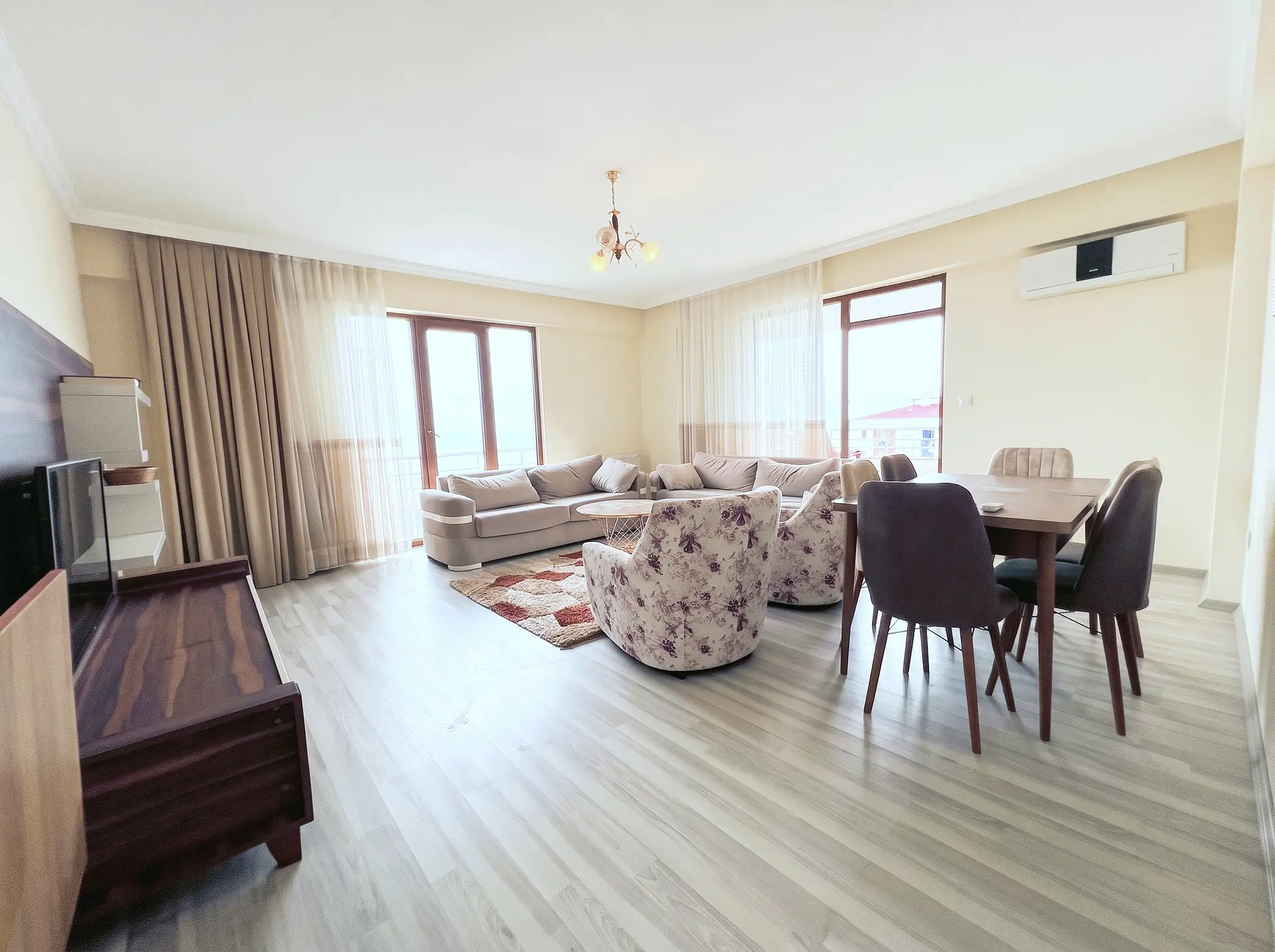 Fully furnishedBRJ-1119
$140,000
Furnished 4+1 family apartment with sea view near the airport, Pelitli
- 4+1
- 180 m²
- Pelitli, Trabzon
SeaForest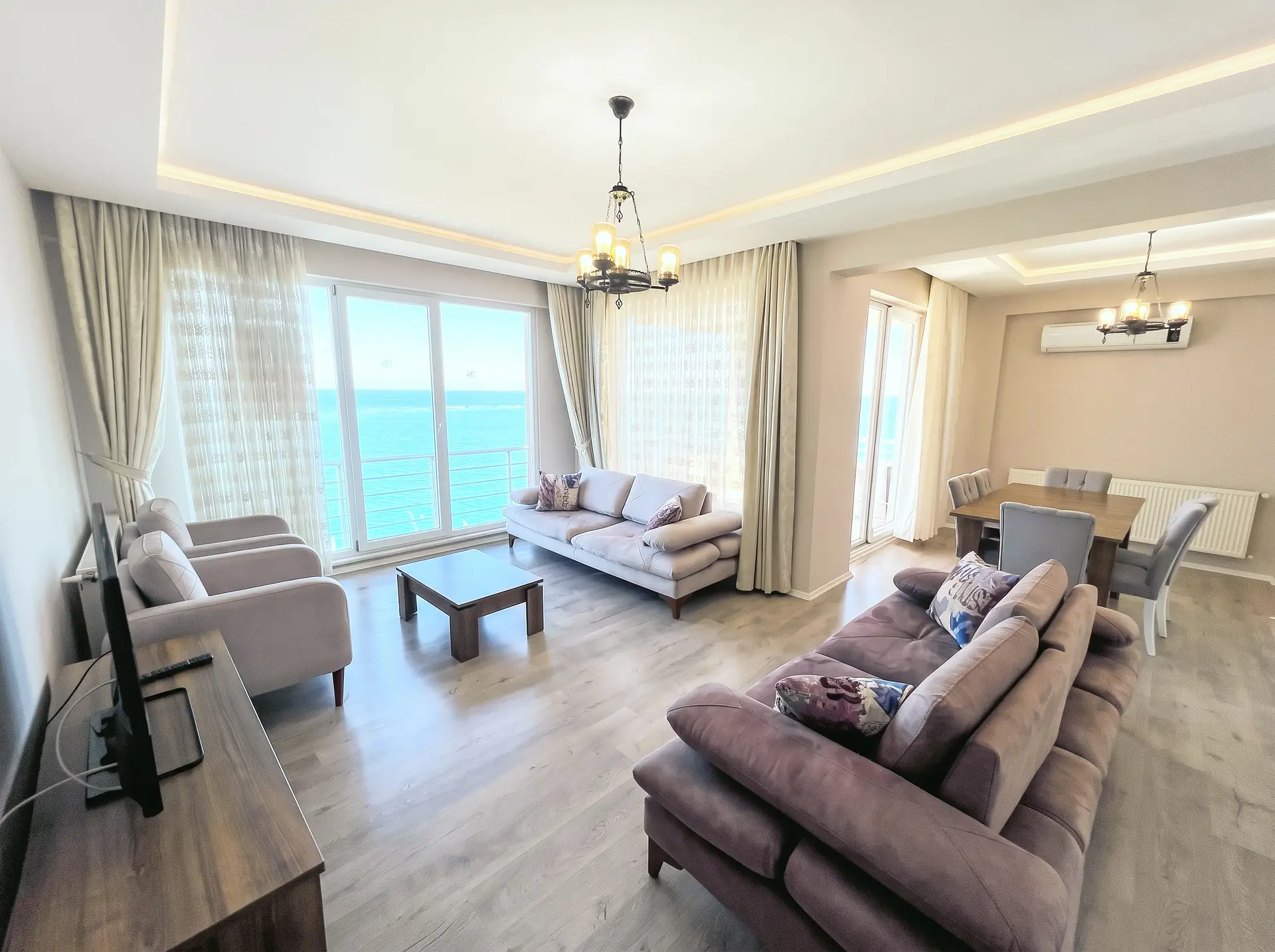 Fully furnishedBRJ-1118
$153,000
Furnished 3+1 apartment with direct sea view, Mersin, Akçaabat
- 3+1
- 150 m²
- Mersin, Trabzon
Sea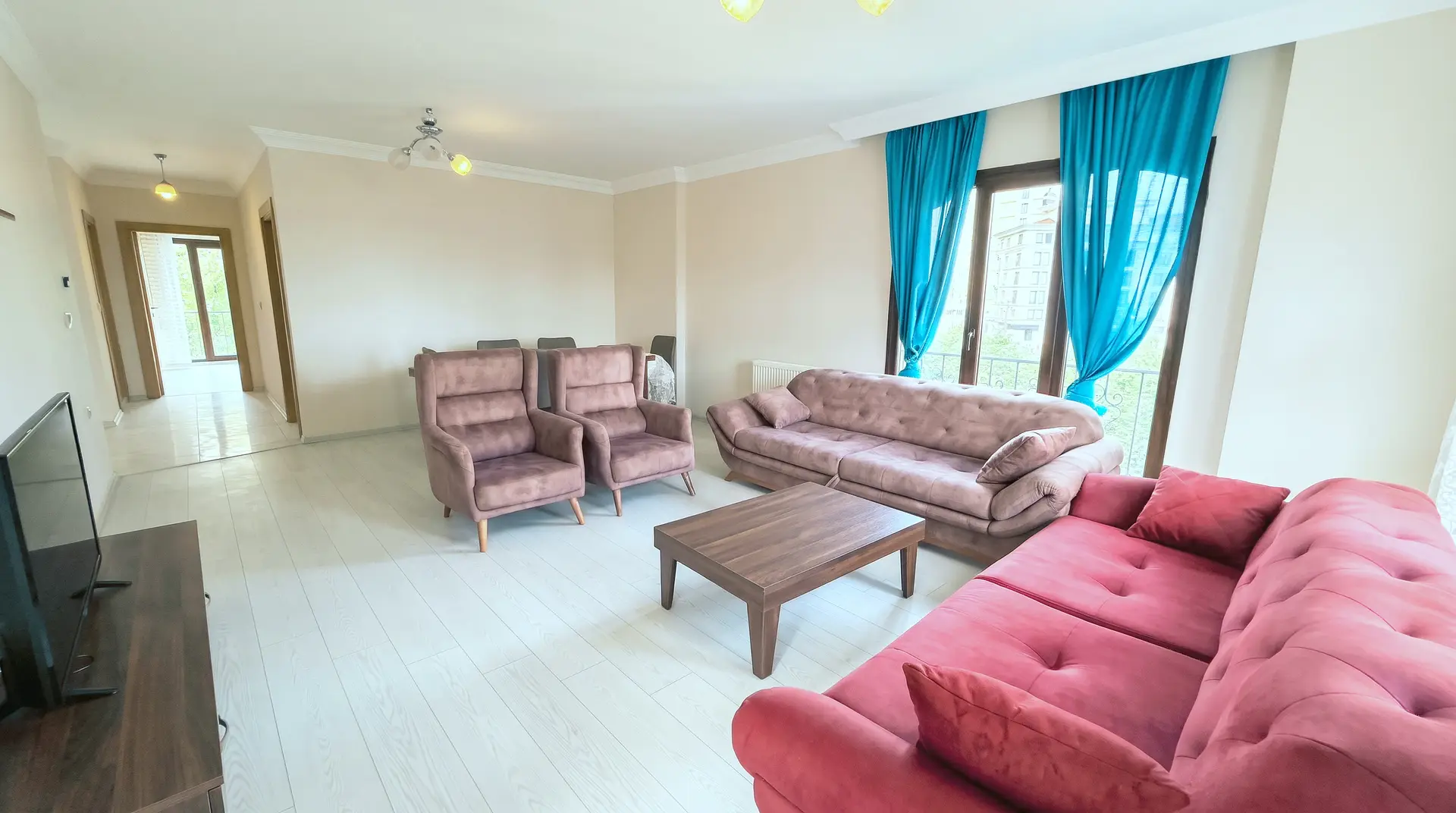 Fully furnishedBRJ-1117
$125,000
Furnished 3+1 apartment with a very large balcony and sea view, Pelitli
- 3+1
- 176 m²
- Pelitli, Trabzon
SeaForest