How to Choose a Reliable Property Developer in Turkey: 10 Questions Before You Sign

In short
A reliable developer is one who can show you projects delivered on time that obtained their occupancy certificate (iskan), prove the permit for their current project and ownership of its land, and offer a detailed contract with specifications, a handover date and a delay penalty. Visit one of their completed projects, talk to its residents, check their trade registry record, and beware of exaggerated “guaranteed” returns.
 Written by Mohammed Uçkun, General manager
Last reviewed October 7, 2026
When you buy a ready apartment, you are buying what you see. But when you buy a project under construction from a developer, you are first and foremost buying your trust in them. Turkey has thousands of developers, from listed companies to small contractors; some are excellent and some stumble at the first crisis. These ten questions are what we ask before we put a project on our website.
Questions about the past
1. Which projects have you delivered?
Ask for the names, addresses and handover years of their projects. A serious developer talks about completed projects with pride, while a brand-new developer needs stronger guarantees.
2. Were they delivered on time?
Minor delays are common, but delays of years are a sign of financing or management problems.
3. Did they obtain their occupancy certificate?
A project that has been lived in for years without an occupancy certificate means its residents still hold a kat irtifakı title deed and temporary utility subscriptions. We explain why this matters in the occupancy certificate (iskan) guide.
4. What do residents of their projects say?
Visiting a completed project and talking to its residents and management tells you a lot: the quality of the insulation, how the finishes hold up after years, how quickly maintenance responds, and how honest the developer was about their promises.
Questions about the present
5. Is the current project licensed?
Ask for the building permit and check it against what is being marketed: the number of floors and units and the intended use.
6. Who owns the land?
If it belongs to the developer, things are simpler. If the project is a “flat-for-land” deal with the landowner (Kat Karşılığı), find out which units belong to the developer and which to the landowner, and who has the right to sell your unit.
7. What is the company's legal and financial standing?
Check its record in the Trade Registry Gazette: year of incorporation, partners, capital and any major changes. Frequent changes of the contracting company on the same project are worth asking about.
Questions about the contract and service
8. Is the contract detailed?
A good contract includes a specifications annex, a handover date, a delay penalty, a date for the occupancy certificate and a payment schedule tied to construction. A short contract with general wording does not protect you. See the off-plan buying guide.
9. What service is there after handover?
Who fixes defects in the first year? Who manages the complex? What maintenance fees should you expect? Ask about these before buying, not after, and read the maintenance fees guide.
10. Are the promises realistic?
“Guaranteed 10% return”, “the price will double within a year”, “last unit left today”: phrases that should give you pause. We explain realistic rental yield figures for Trabzon in the rental yield guide.
Warning signs at a glance
- Refusing to show the permit or the land title deed.
- Asking for large payments in cash or into a personal account.
- No completed project that you can visit.
- Heavy pressure to sign the same day.
In short
Choosing the developer is half of the off-plan buying decision. Ask about the past (handovers and occupancy certificates), verify the present (permit, land and company), and read the future in the contract. And visit at least one completed project before signing.
The projects on our projects page were selected after asking these questions. Contact us if you would like us to review a developer you are considering.
Sources
Related guides
View, orientation and sun: why a sea-view flat in Trabzon may get less sunlight
In Trabzon the sea lies to the north, so a flat that looks straight onto it faces north and gets less sun, and north-facing walls are more prone to damp. The best options are often a corner flat or one with two façades: a sea view to the north and sun from the south or west. A view raises value and demand, but check that it will not be blocked by new construction, and check the light and warmth in winter.
Last reviewed Oct 7, 2026

Video viewings: how to see a flat as if you were there, from your own country
A live video viewing saves many trips if you lead it yourself: ask for one continuous, uncut tour; start from the street and the entrance, then every room, window and balcony; turn on the taps and open the cupboards; ask to see the view in every direction, the north-facing walls and the corners for damp, and the way to the nearest amenities. Record the tour and ask for the documents afterwards. For a property you will spend a large sum on, treat the video as a filter before a visit or a second tour at a different time.
Last reviewed Oct 7, 2026

Urban transformation in Istanbul: what it means for buyers and owners of older flats
Kentsel dönüşüm (urban transformation) in Turkey is governed by Law 6306 on rebuilding buildings at earthquake risk. A licensed body’s report classifies a building as risky, and this is recorded at the tapu (land registry). Since November 2023, rebuilding decisions need an absolute majority of the owners’ shares instead of two thirds, and a February 2026 regulation changed the procedures, such as selling objecting owners’ shares. Owners may get rent assistance under conditions. Buying in an old building means buying a share of the land and a future project: read the legal position carefully.
Last reviewed Oct 7, 2026
Related areas

Related listings
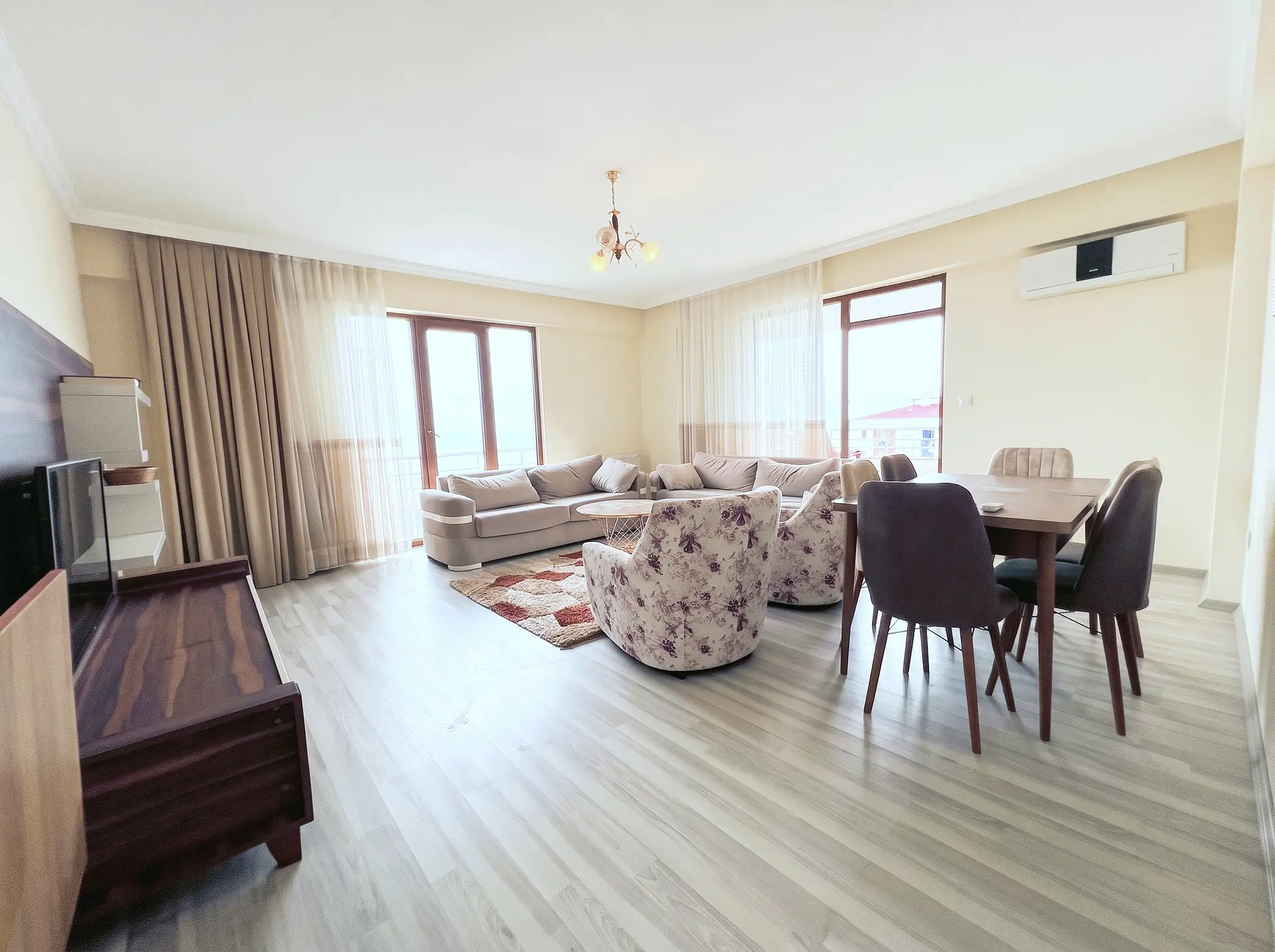 Fully furnishedBRJ-1119
$140,000
Furnished 4+1 family apartment with sea view near the airport, Pelitli
- 4+1
- 180 m²
- Pelitli, Trabzon
SeaForest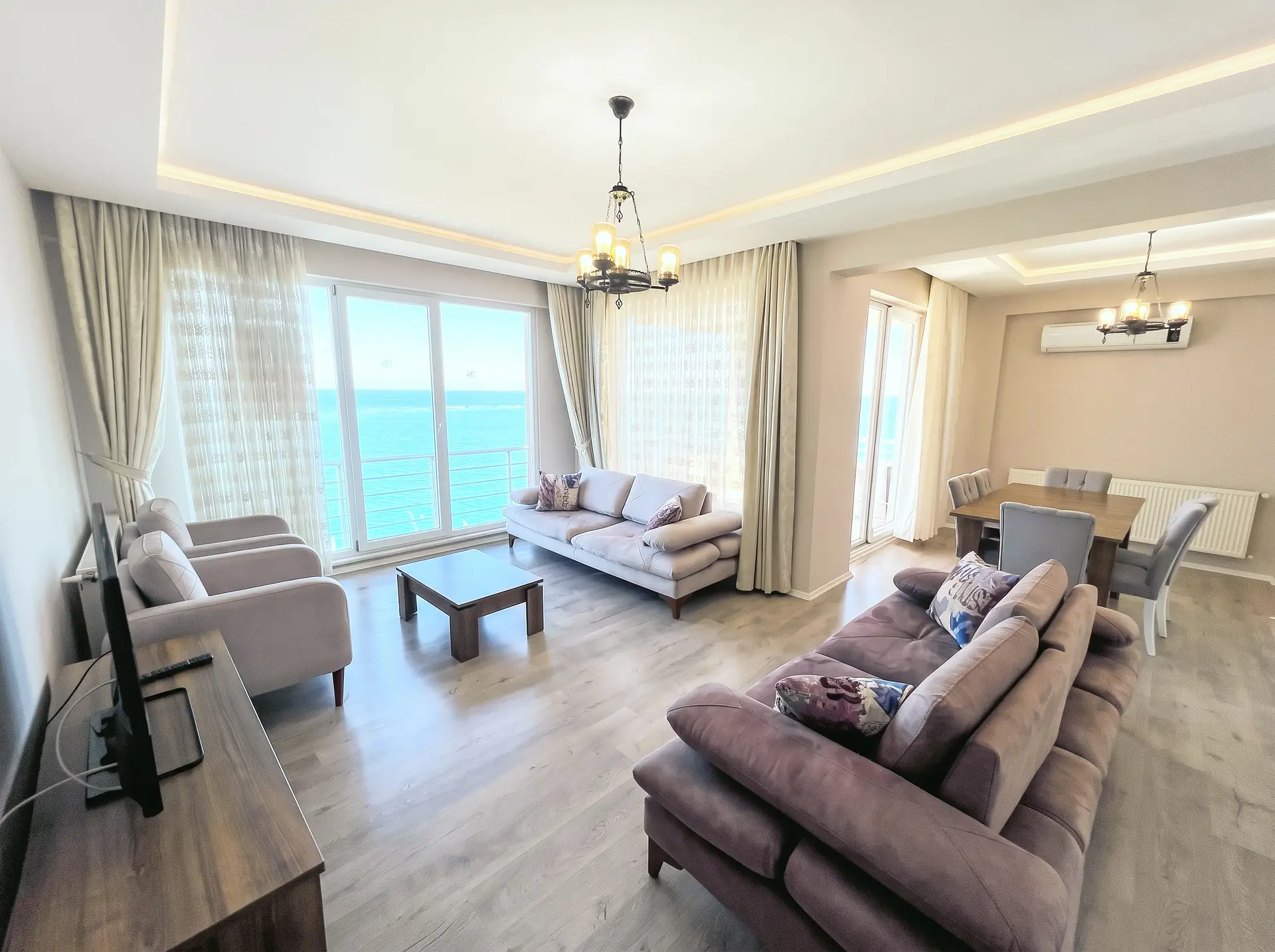 Fully furnishedBRJ-1118
$153,000
Furnished 3+1 apartment with direct sea view, Mersin, Akçaabat
- 3+1
- 150 m²
- Mersin, Trabzon
Sea Fully furnishedBRJ-1117
$125,000
Furnished 3+1 apartment with a very large balcony and sea view, Pelitli
- 3+1
- 176 m²
- Pelitli, Trabzon
SeaForest